Understanding Roof Repair Expenses: The Costs of Fixing a Leaky Roof
- Joel Blemaster

- May 29
- 4 min read
A leaky roof is one of those problems you want to fix as soon as possible. It can cause damage to your home’s structure, lead to mold growth, and increase your energy bills. But before you call a contractor, it’s important to understand the costs involved in fixing a leaky roof. Knowing what to expect helps you plan your budget and avoid surprises.
What Factors Affect Roof Repair Expenses?
Roof repair expenses vary widely depending on several factors. The size of the leak, the type of roofing material, and the extent of the damage all play a role. For example, a small leak in an asphalt shingle roof will cost less to fix than a large leak in a metal or slate roof.
Here are some key factors that influence the cost:
Size of the leak: Small leaks may only require patching, while larger leaks might need partial or full roof replacement.
Roofing material: Asphalt shingles are generally cheaper to repair than metal, tile, or slate roofs.
Roof pitch and height: Steeper or higher roofs require more safety equipment and labor, increasing costs.
Extent of damage: Water damage to the underlying structure or insulation adds to repair expenses.
Labor costs: These vary by region and contractor experience.
Accessibility: Roofs that are hard to reach or have complex designs can increase labor time and cost.
Understanding these factors helps you get a clearer picture of what your repair might cost.

How to Estimate Roof Repair Expenses
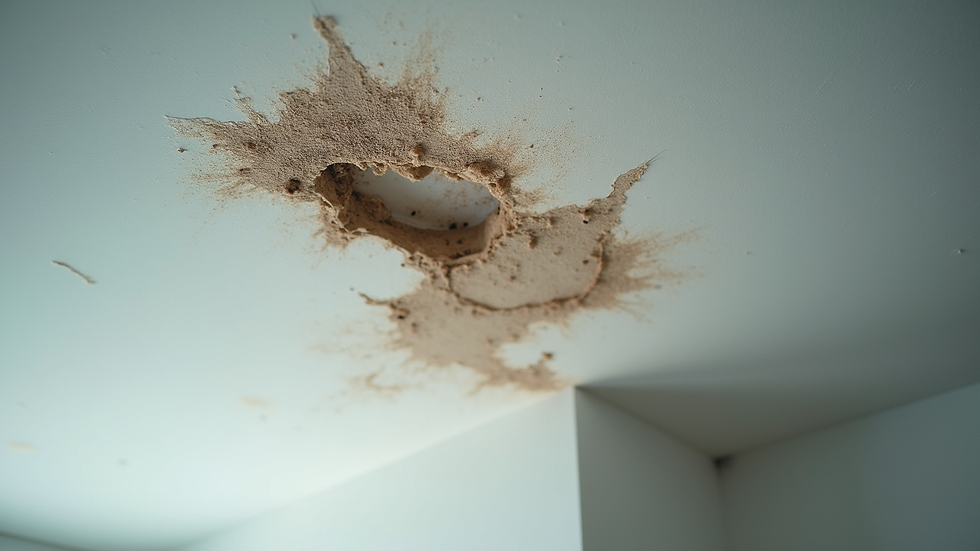
Estimating roof repair expenses starts with a thorough inspection. You can do a basic check yourself by looking for missing shingles, water stains on ceilings, or mold growth. However, a professional inspection is essential for an accurate estimate.
When you get a quote, ask the contractor to break down the costs. A typical estimate might include:
Inspection fee (sometimes waived if you hire the contractor)
Materials cost (shingles, sealants, flashing, etc.)
Labor charges (hourly or flat rate)
Disposal fees (for old materials)
Additional repairs (structural or insulation work)
For example, repairing a small leak in a mid-sized asphalt shingle roof might cost between $300 and $1,000. Larger repairs or replacement can run into several thousand dollars.
If you want to learn more about the typical leaky roof repair cost, check out detailed pricing guides from local contractors.
Will insurance pay out for a leaking roof?
Many homeowners wonder if their insurance will cover roof leaks. The answer depends on the cause of the leak and your policy details.
Insurance usually covers sudden and accidental damage, such as damage from storms, fallen trees, or fire. However, damage caused by neglect or lack of maintenance is often excluded. For example, if your roof leaks because it was old and not maintained, insurance may deny the claim.
Here are some tips to navigate insurance claims:
Document the damage: Take photos and keep records of repairs.
Review your policy: Understand what types of damage are covered.
Contact your insurer promptly: Report the leak as soon as you notice it.
Get a professional inspection: A contractor’s report can support your claim.
Keep receipts: For any emergency repairs you make.
If your claim is approved, insurance can significantly reduce your out-of-pocket expenses for roof repair.
DIY vs. Professional Roof Repair: What You Should Know
You might be tempted to fix a leaky roof yourself to save money. While small repairs like sealing a minor crack or replacing a few shingles can be done by a handy homeowner, most roof repairs require professional skills.
Here’s why hiring a professional is usually the better choice:
Safety: Roof work can be dangerous without proper equipment and training.
Quality: Professionals have the right tools and materials to ensure a lasting repair.
Warranty: Many contractors offer warranties on their work.
Time: Professionals can complete repairs faster and more efficiently.
Inspection: They can spot hidden damage that you might miss.
If you decide to do it yourself, make sure you understand the risks and limitations. For anything beyond minor fixes, calling a trusted roofing contractor is the safest and most cost-effective option.
Tips to Minimize Roof Repair Expenses
Fixing a leaky roof can be costly, but there are ways to keep expenses under control:
Act quickly: The sooner you fix a leak, the less damage it causes.
Regular maintenance: Clean gutters, remove debris, and inspect your roof annually.
Get multiple quotes: Compare prices and services from several contractors.
Ask about financing: Some companies offer payment plans.
Consider partial repairs: Sometimes fixing the affected area is enough instead of a full replacement.
Use quality materials: Cheaper materials may save money upfront but cost more in the long run.
By staying proactive and informed, you can protect your home and your wallet.
Planning for Roof Repair in Mid-Coast Maine
Living in mid-coast Maine means dealing with specific weather conditions like heavy rain, snow, and wind. These factors can accelerate roof wear and increase the risk of leaks.
When planning roof repairs here, consider:
Seasonal timing: Spring and summer are best for repairs to avoid ice and snow.
Local contractor expertise: Choose contractors familiar with Maine’s climate.
Material suitability: Some roofing materials perform better in cold, wet conditions.
Permits and regulations: Check local building codes before starting work.
A reliable roofing contractor in the area will guide you through these considerations and ensure your roof stands up to Maine’s weather.
Fixing a leaky roof is an important investment in your home’s safety and value. By understanding roof repair expenses, insurance options, and repair methods, you can make smart decisions that protect your property. If you notice signs of a leak, don’t wait. Get a professional inspection and start planning your repair today.


Comments